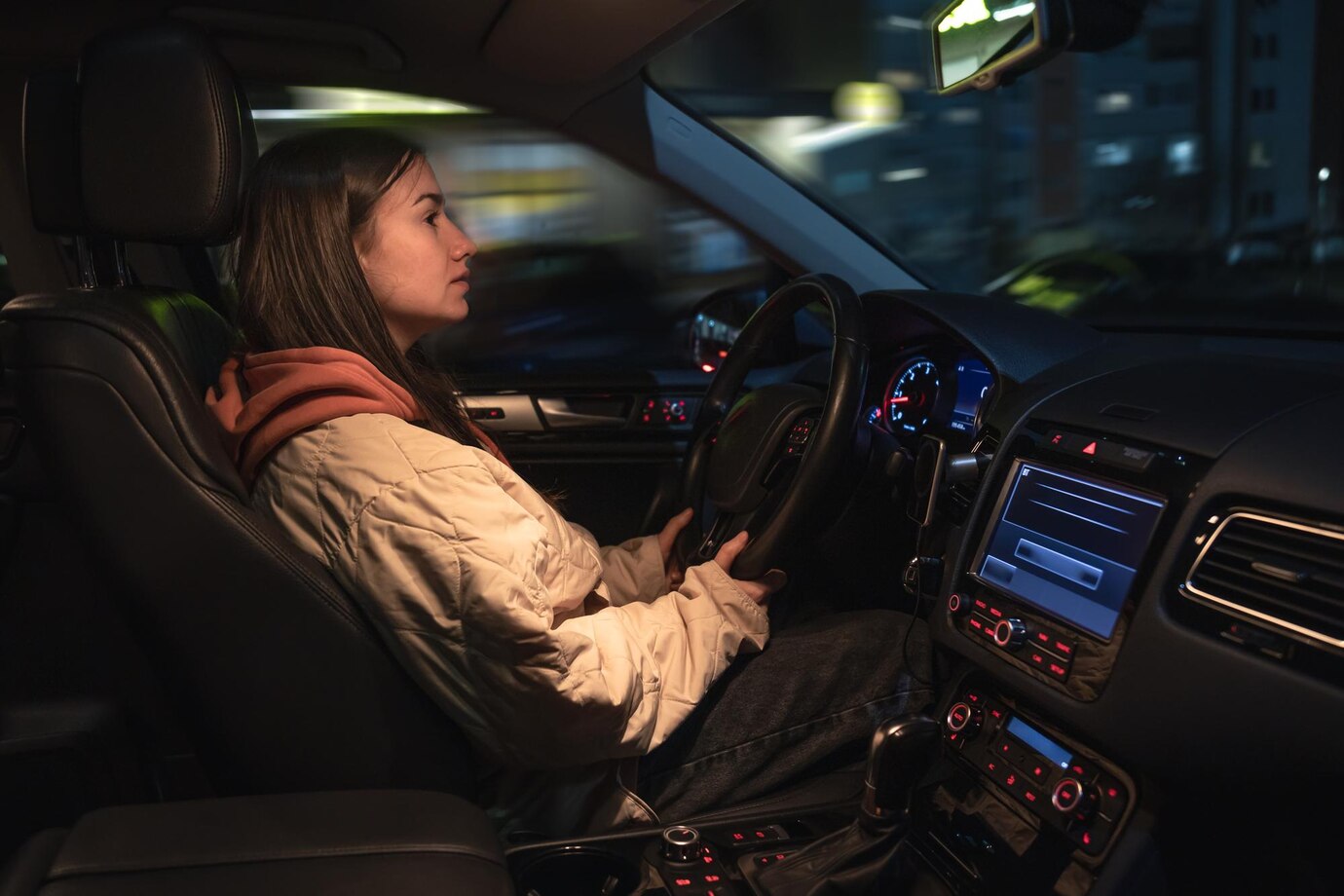
Drowsy driving is a common experience among night shift nurses impacting roughly 79% of all night shift nurses. Due to the frequency of drowsing driving that shift workers experience, there is a six times greater risk of being involved in a crash compared to other professionals. After a shift, many nurses experience a “post-work dip” in energy, which generally consists of feelings of physical and mental exhaustion or a loss of adrenaline. It is also common to feel an emergent drowsiness during nurses’ commute after a shift. This emergent drowsiness is often attributed to the comfortable environments of nurses’ vehicles or minimal roadway demands on the commute. It is also common for nurses’ drowsiness to peak while stopped at traffic signals or with prolonged periods of driving.
Micro sleeps, which are a brief lapse into sleep, can also occur during drowsy driving. Micro sleeps typically last four to five seconds and if traveling at a speed of 55 mph, a driver can travel approximately 100 yards before waking up. Studies have also shown that the effects of drowsy driving are similar to those of drunk driving, and that driving after 24 hours without sleep can have similar effects to having a blood alcohol content of 0.10%, which exceeds the legal limit.
Effects of drowsy driving include impaired attention and coordination, slower reaction time, and poor judgement. Some warning signs to look for possible experiences of drowsy driving include: frequent yawning or blinking, feelings of nodding off, difficulty keeping your head upright, trouble remembering the last few miles you’ve driven, missing an exit or road sign, following other cars too closely, and drifting into the other lane or hitting rumble strips.
Work Factors Contributing to Drowsiness:
Heavy workload/being busy
Idle time
Physicality
Shift schedules
Consecutive shifts/shift length
Emotional/mental factors
Lack of breaks
Training after work
Poor coworkers
Delayed feelings of drowsiness
Specific units
Bad lighting
Temperature
Non-Work Factors Contributing to Drowsiness:
Quality and quantity of sleep
Other duties outside of work
Commute type/length
Tips to Stay Awake While Driving:
Drink a caffeinated beverage
Call a friend
Listen to music or a podcast
Eat a crunchy snack
Physically engage at stop lights
Pull over and take a 20-minute nap
Recommendations to Prevent Drowsy Driving:
Prevent scheduling more than two shifts in a row
Stay hydrated throughout the shift
Take naps during breaks or after shifts
Refrain from working overtime/staying late
Take mandatory breaks/refrain from skipping breaks during a shift
Advocate for appropriate workload
Have a consistent quality of lighting
Improve sleep hygiene
Have consistent bedtimes
Optimize your sleep space
Keep portable electronics out of the bedroom
Avoid caffeine and alcohol before bed
Don’t stew in bed for 20 minutes or longer
Practice healthy habits
i.e. regular exercise and a healthy diet
Talk to a doctor if experiencing recurring patterns of poor or insufficient sleep
Need Guidance on Staying Awake?
Connect with our music playlist or visit the National Sleep Foundation for comprehensive resources on preventing drowsy driving.